


Treating TMJ Starts with Finding the Cause
Jaw pain has a way of making itself known. Maybe you wake up with a sore jaw. Maybe headaches have become part of your routine. Or perhaps you hear a click every time you open your mouth and have started wondering, “Is that normal?”
These symptoms can be frustrating, especially when they seem to appear without an obvious explanation.
But treating TMJ isn’t always about chasing the pain. In many cases, the more important question is why the jaw is struggling in the first place.
Looking at the Symptoms
TMJ problems can look different from person to person. One person may experience jaw tenderness, while another notices headaches, facial tension, clicking, popping, or difficulty opening and closing the mouth comfortably. Sometimes, the jaw isn’t even where the discomfort gets your attention first.
You may simply notice that your temples ache by the end of the day. Your teeth may feel sensitive. Your jaw may feel tired after eating. You might catch yourself clenching while working, driving, or concentrating.
The symptoms are clues, but they don’t necessarily tell the whole story. Instead of automatically assuming that pain means one particular treatment is needed, it’s worth taking a closer look at how the jaw, muscles, teeth, and bite are working together.
Understanding Your Bite
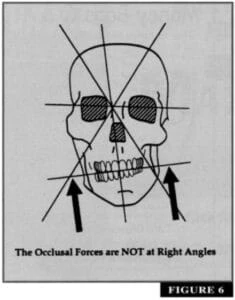
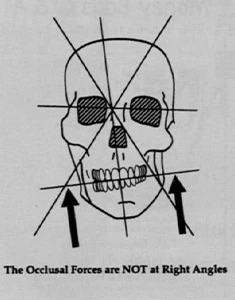
Your bite does more than determine how your teeth come together when you smile. It plays an important role in how your jaw functions.
When the teeth, jaw joints, and muscles aren’t working together in balance, the jaw may be forced to compensate. Over time, that can contribute to muscle tension, excessive wear, clenching, headaches, and other uncomfortable symptoms.
This is where looking at the bite can change the conversation. Rather than simply asking, “How do we stop the pain?” the focus becomes, “What is creating the strain?”
Understanding that relationship can help guide a more precise treatment plan, one that addresses the underlying functional concerns instead of treating the symptoms in isolation.
Restoring Balance Without Surgery
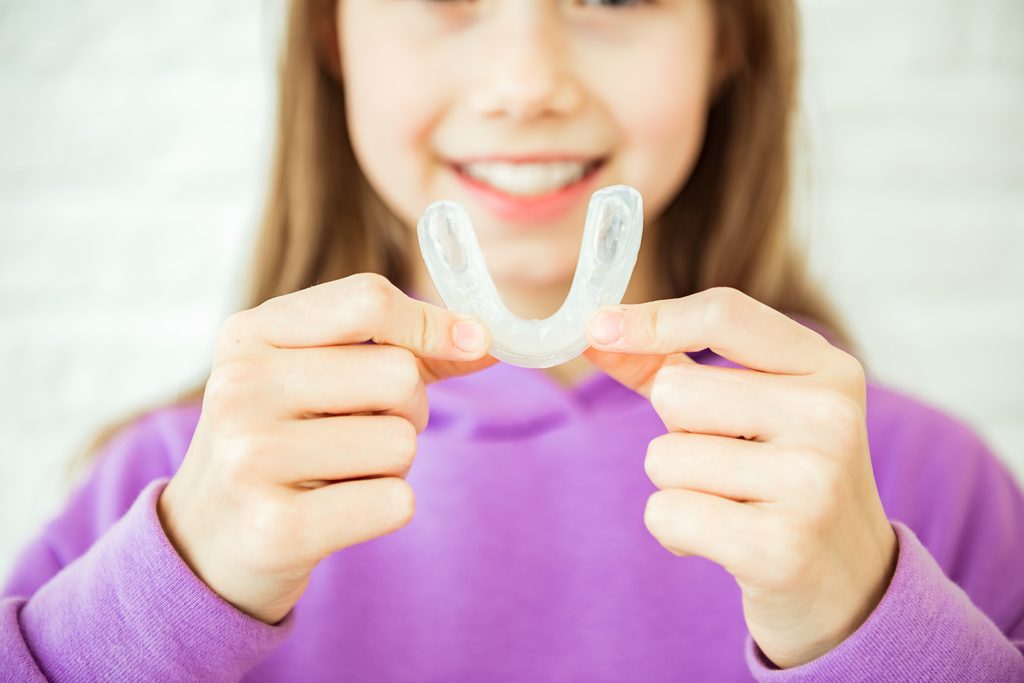
The good news? Treating TMJ concerns doesn’t automatically mean surgery. For many people, nonsurgical TMJ approaches help improve comfort and function. Depending on what is contributing to the problem, treatment may include customized oral appliances, bite correction, neuromuscular therapies, or other conservative options.
The right approach depends on the individual. That’s important because there is no universal TMJ treatment that works perfectly for everyone. A solution that makes sense for one person’s bite and jaw function may not make sense for someone else’s.
Our goal isn’t simply to give you something to wear or temporarily quiet the pain. We work to create better balance and support healthier jaw function whenever possible.
Personalized Path Toward Lasting Relief
If you’ve been dealing with jaw discomfort for months, or even years, it’s understandable to want something that lasts. Finding that path starts with looking beyond the obvious.
With a clearer picture of what’s happening, treatment can be tailored around your anatomy, your needs, and your goals. That patient-specific approach matters. Because effective TMJ care shouldn’t feel like you’re being handed a generic solution and sent on your way.
Need a TMJ Specialist? Call Today!
If jaw pain, headaches, clenching, or other TMJ symptoms are affecting your quality of life, it may be time to look beyond temporary relief.
Dr. Ronald Konig takes a comprehensive and patient-focused approach to TMJ treatment.
The goal is more than simply managing discomfort—it’s to help restore balance, function, and quality of life through thoughtful and personalized care. Call now to schedule an appointment and find lasting relief.