TMJ


Get Relief from TMJ Pain

TMJ disorders can be complex, but their impact on daily life is straightforward – pain, discomfort and a compromised bite. Even if your smile appears healthy, an imbalanced bite can lead to serious issues over time. Our patient-centered approach focuses on noninvasive and specialized solutions to restore harmony to your jaw and relieve discomfort.

YouTube player

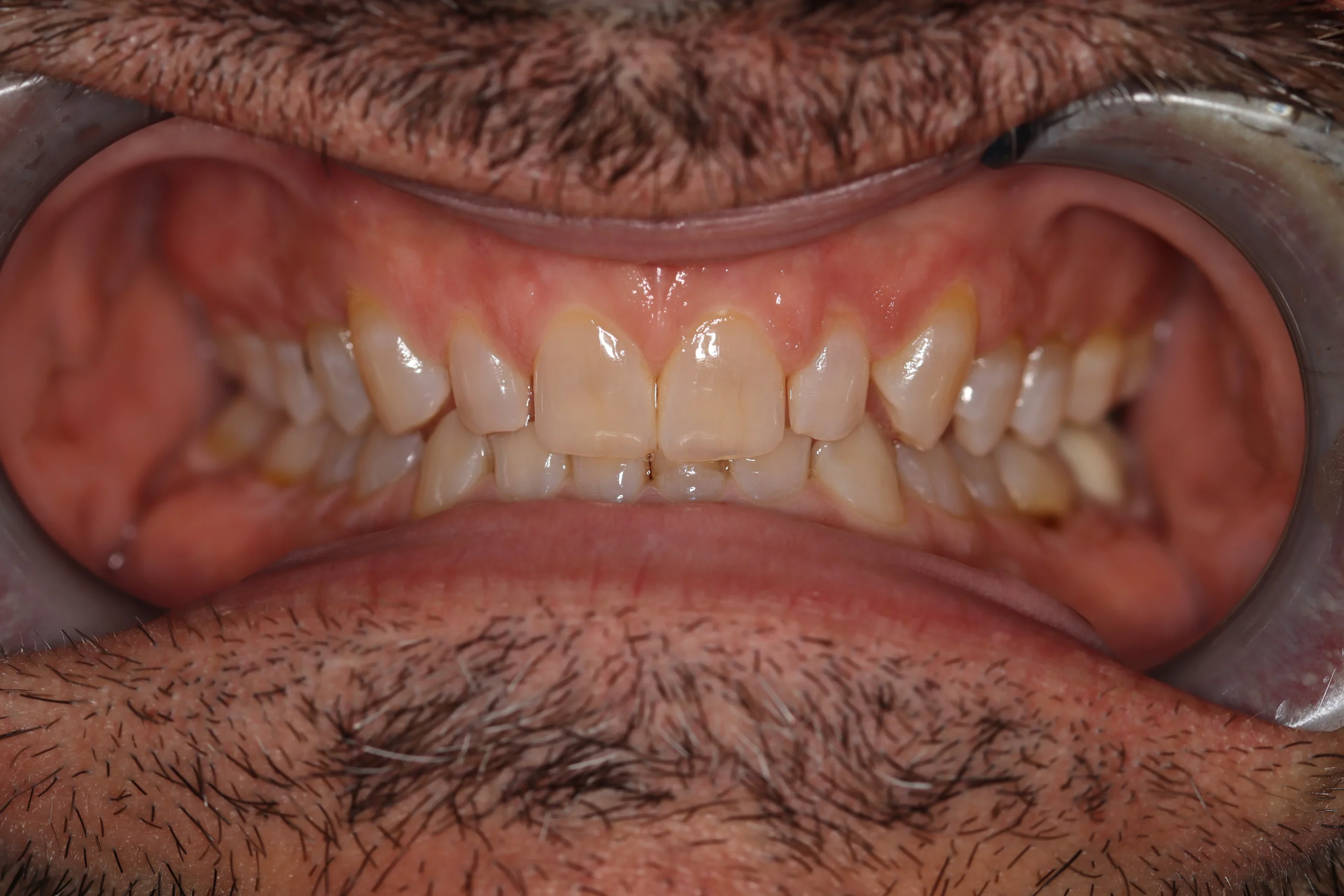
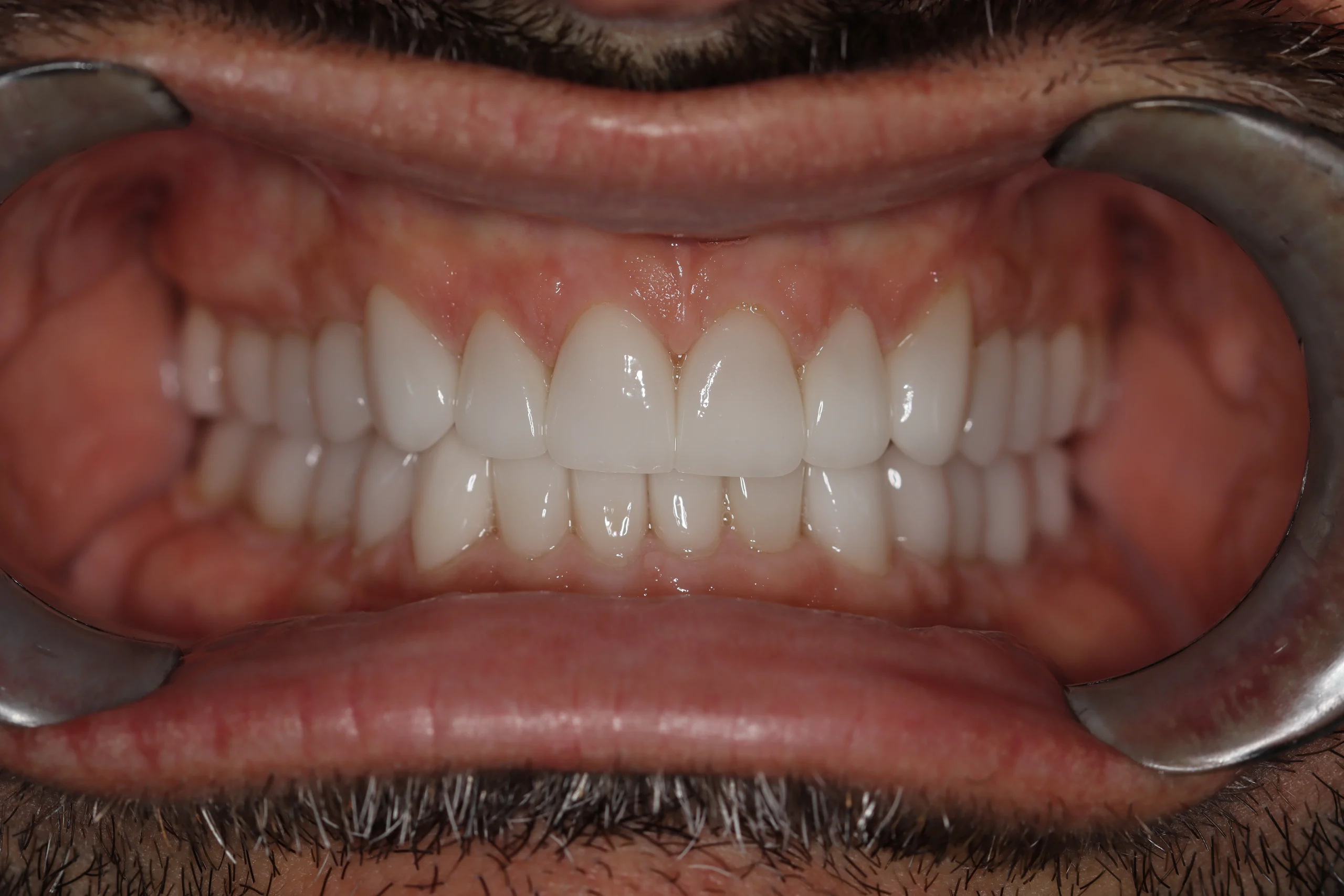
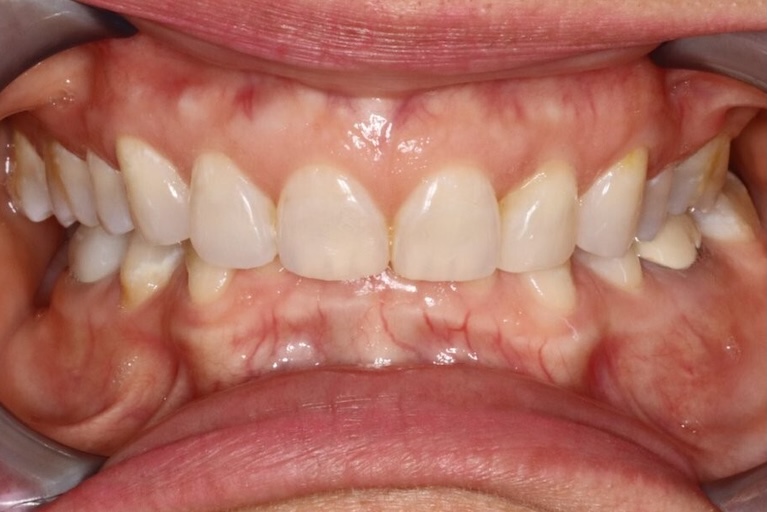
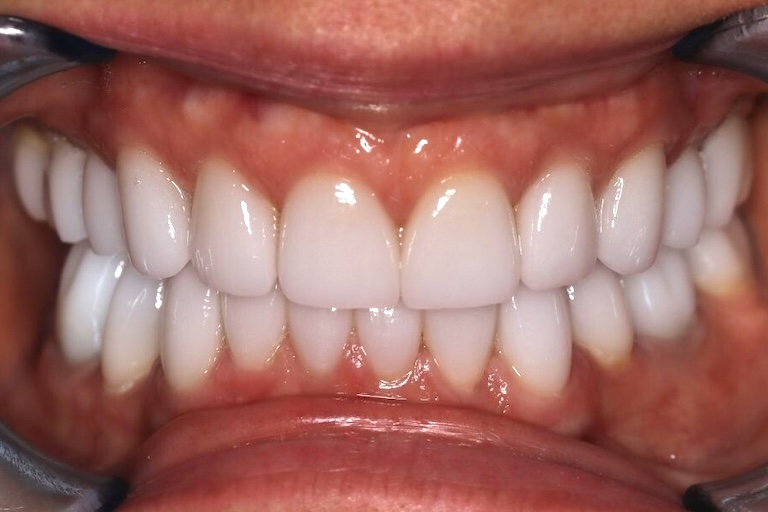
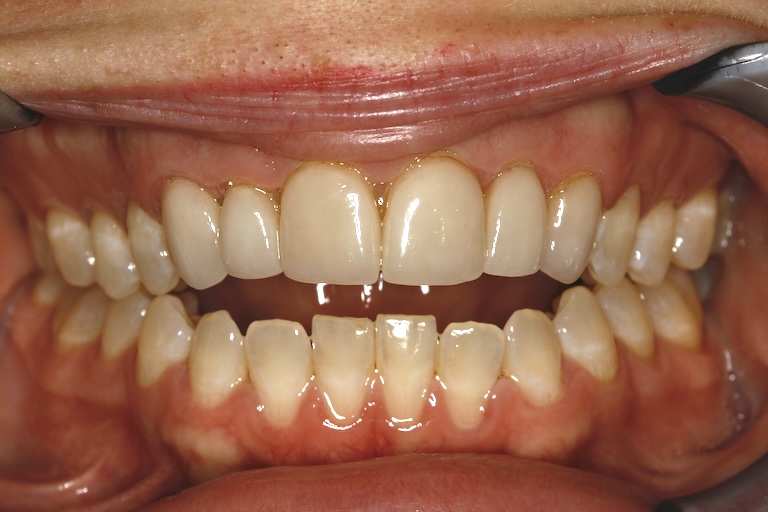
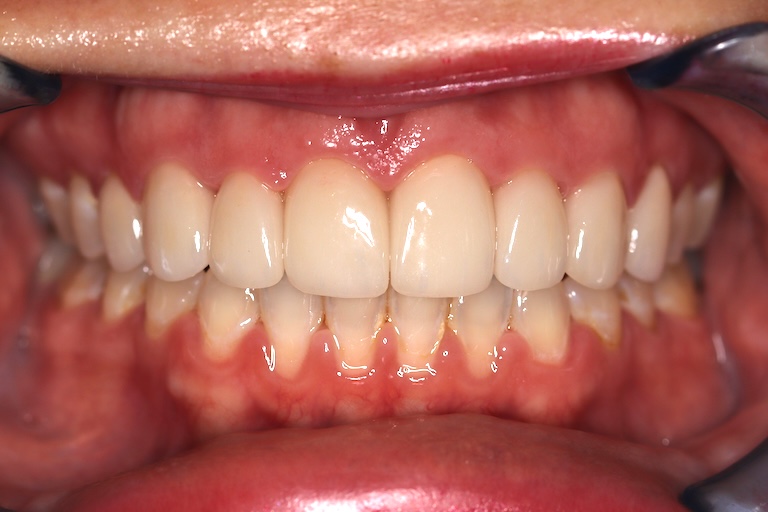
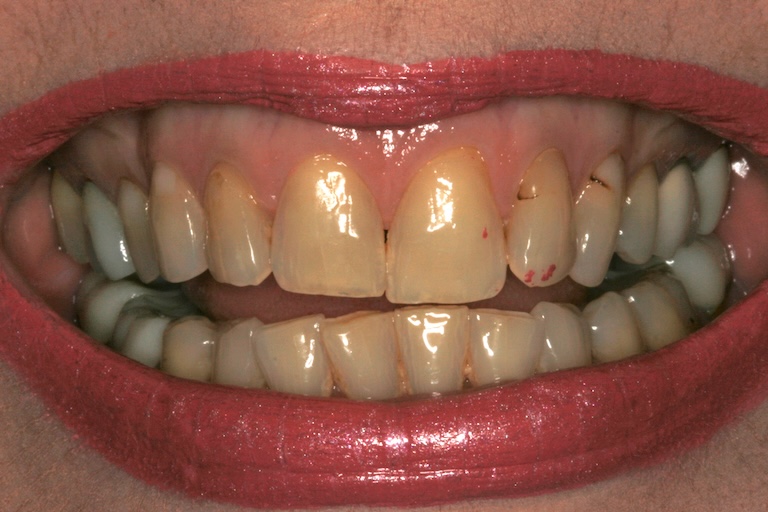
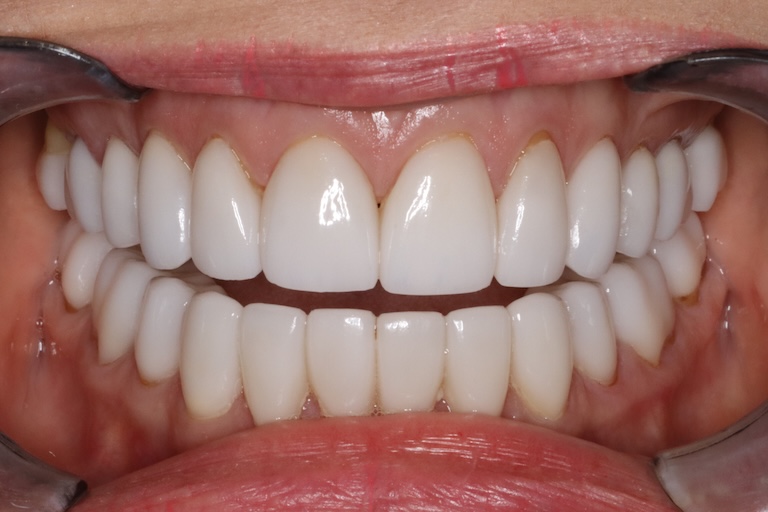
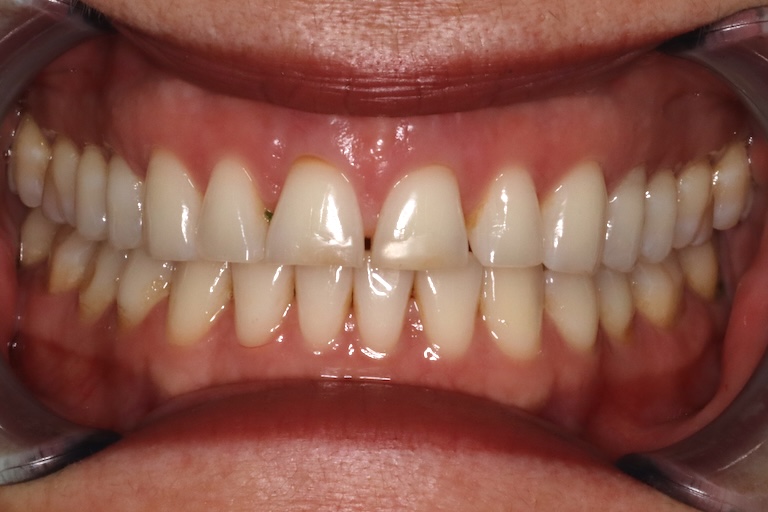
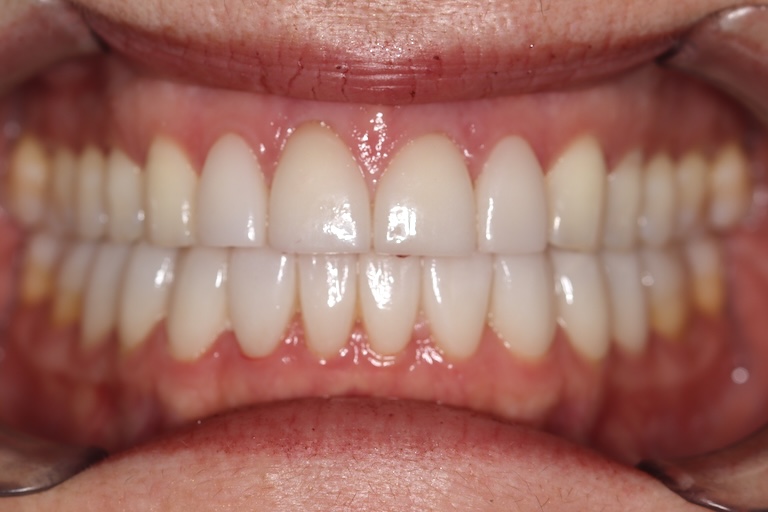
Facial asymmetry correction to correct TMJ Pain

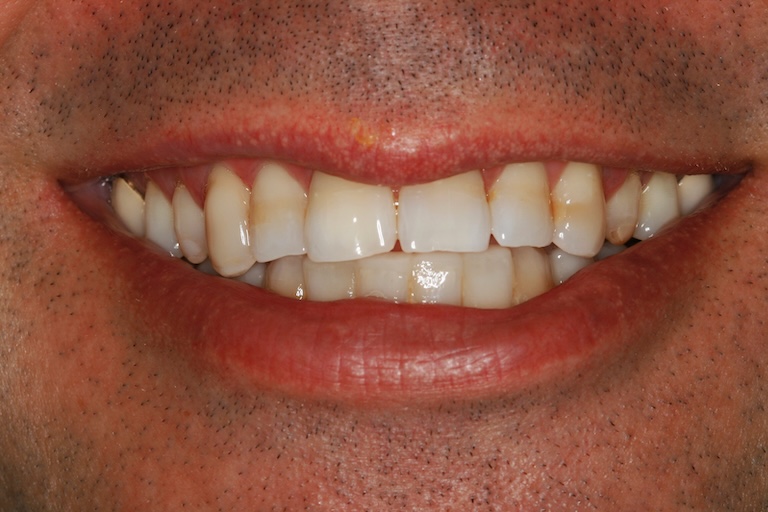
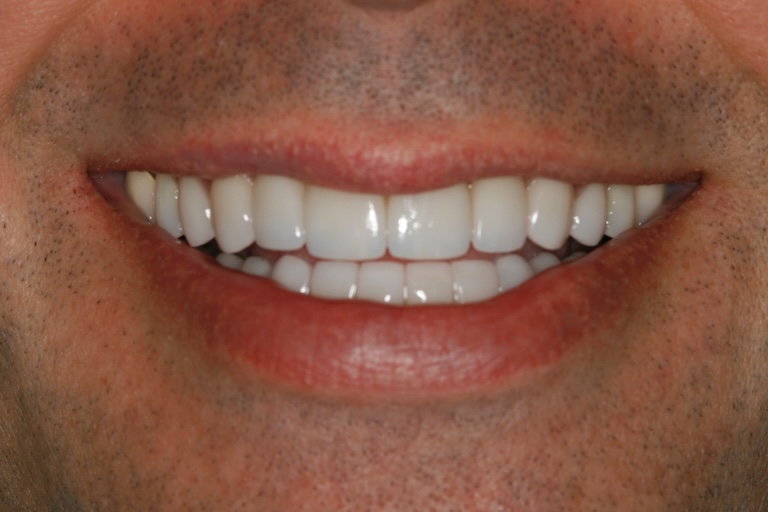
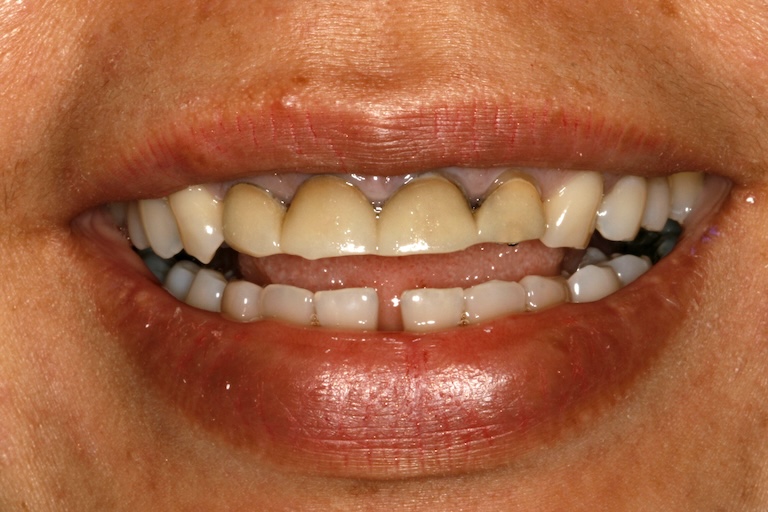
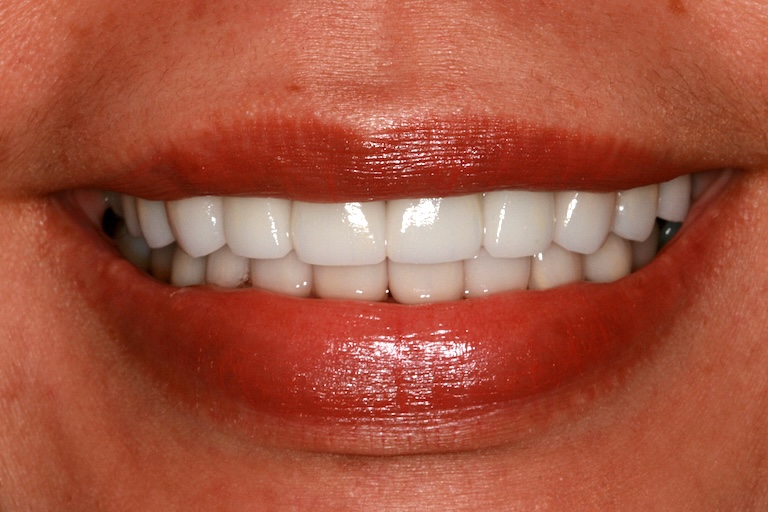
beforeafter

What Is TMJ?

The temporomandibular joint (TMJ) connects the lower jaw to the skull, allowing movement for speaking, chewing and yawning. It relies on a smooth interaction between muscles, ligaments and cartilage to function properly. When this joint is misaligned or under strain, it can cause persistent pain, clicking sounds and limited movement.

TMJ disorder (TMD) affects millions of people and can lead to chronic discomfort if left untreated. Symptoms often include jaw pain, headaches, earaches, muscle stiffness and difficulties with chewing. If you have been experiencing these issues, a thorough evaluation by Dr. Ronald Konig can determine the most effective course of treatment.

How Common is TMJ?

Temporomandibular joint disorder (TMD) is a widespread condition that affects millions of people. Research suggests that at any given time, approximately 75 million individuals suffer from TMJ-related issues. While some people experience severe pain and dysfunction, others may have mild symptoms or no noticeable discomfort despite an underlying misalignment.

Many individuals with TMJ disorders also have occlusal disease, meaning their bite is not properly aligned. Signs of this condition include:

  • Worn, chipped or broken teeth
  • Shifting teeth
  • Changes in facial structure over time

Even without noticeable pain, these issues can indicate a problem that may worsen without treatment.

TMJ Causes

TMJ disorders can develop due to various factors, including:

  • Misaligned teeth or bite discrepancies
  • Teeth grinding (bruxism) or jaw clenching
  • Displaced or damaged jaw joint cartilage
  • Stress-related muscle tension
  • Trauma to the jaw or head
  • Arthritis affecting the joint
  • Breathing issues that impact jaw positioning

Understanding the root cause of your TMJ symptoms is essential for effective treatment. Our specialized approach addresses both pain relief and long-term correction.

Sarah Received a Non-surgical TMJ Solution

YouTube player

Recognizing the Symptoms of TMJ Disorders

TMJ disorder can manifest in a variety of ways, often affecting not just the jaw but other areas of the body. Some of the most common symptoms include:

Since the temporomandibular joint is connected to muscles that extend beyond the jaw, symptoms may not always seem directly related to TMJ dysfunction. A thorough evaluation by our dentist can determine whether these issues stem from TMJ disorder and how best to treat them.

Arms Affected by TMJ?

Many patients are surprised to learn that TMJ dysfunction can have an impact beyond the head and neck. The nerves and muscles surrounding the jaw are interconnected with other areas of the body, including the shoulders and arms. Misalignment in the jaw can lead to tension and inflammation that radiates downward, potentially causing:

When the jaw is not properly aligned, the body may attempt to compensate by adjusting posture and muscle use, often leading to strain in unexpected areas. Addressing TMJ dysfunction can relieve these symptoms and improve overall musculoskeletal health.

The Connection Between Headaches & TMJ

Frequent headaches may be linked to TMJ dysfunction. When the jaw joint is out of alignment, it can cause muscle tension that radiates to the head, neck and shoulders. TMJ-related headaches are often misdiagnosed as migraines or tension headaches. By correcting jaw alignment and relieving strain on the TMJ, many patients experience significant headache relief.

TMJ Treatment

Our dentist and team offer a variety of treatment options for TMJ. After your diagnosis, we will work with you to design a treatment plan that eliminates pain, works to correct the underlying cause of your TMJ disorder and helps improve your quality of life. We take a patient-focused approach, working one-on-one with you to address your concerns and improve your life.

Learn more about diagnosing and treating TMJ treatments:

Contact Us Today!

Please contact Konig Center for Cosmetic & Comprehensive Dentistry today at 713-668-2289 to schedule a consultation with our experienced TMJ dentist and learn more about TMJ therapy in Houston, Texas. We are committed to finding the right treatment to restore comfort and health to your jaw.

FAQs

TMJ is typically considered a medical condition rather than a dental one. However, medical insurance companies often attempt to exclude coverage for TMJ treatment, even though it is an orthopedic issue affecting the jaw joint. Our office assists patients by completing all necessary forms and submitting medical codes to help maximize potential coverage. While reimbursement varies, we work closely with patients to explore all available options.

If you are dealing with jaw pain before your scheduled appointment, you may find relief through conservative measures such as applying moist heat or ice packs, avoiding hard or chewy foods and practicing relaxation techniques to minimize jaw tension. Additionally, Dr. Konig has provided valuable insights on this topic in his blog, which may offer further guidance on managing discomfort.

TMJ disorders can contribute to several types of headaches, including:

  • Tension Headaches– The most common type, often triggered by jaw muscle strain.
  • Sinus headaches– TMJ-related inflammation can mimic sinus pressure.
  • Migraine-like-headaches– Jaw misalignment may stimulate nerves linked to migraine pain.
  • Cranial neuralgias and facial pain– TMJ issues can lead to nerve-related discomfort.

Because TMJ dysfunction can worsen or trigger these headaches, addressing jaw misalignment may help reduce their frequency and severity.

While no treatment can guarantee complete elimination of symptoms, most patients experience significant improvement in jaw pain, headaches and muscle tension with appropriate TMJ therapy. Even a 75% reduction in pain can be life-changing for those who have struggled with chronic discomfort. A comprehensive evaluation will determine the best course of action to optimize your relief.

Yes, TMJ disorders can cause ear pain, ringing in the ears (tinnitus) and even temporary hearing loss. This occurs when the misaligned jaw joint places pressure on the structures near the ear canal. Clenching, grinding and improper bite alignment can all contribute to these symptoms. Addressing TMJ dysfunction may help alleviate ear-related discomfort.

Certain foods and habits can worsen TMJ symptoms. It is best to avoid:

  • Chewing gum
  • Hard or crunchy foods (such as nuts, popcorn and hard candies)
  • Chewy foods (such as steak, bagels and caramel)
  • Large or overly thick foods that require excessive jaw opening

Additionally, reducing habits such as resting your chin in your hand, clenching your teeth or favoring one side while chewing can help prevent further strain on the jaw. Maintaining good posture and avoiding excessive jaw movement can also aid in managing symptoms.

Our skilled TMJ dentist provide advanced TMJ solutions and TMD treatments in Houston, Texas, and the surrounding areas, including Sugar Land and The Woodlands, TX, as well as Oklahoma and Louisiana. We invite you to contact our team today to schedule your consultation with our TMJ specialists and learn how we can help!