


Life-changing TMJ Treatment
A Different Approach to TMJ Treatment
TMJ disorders (TMD) are complex, and treating the pain alone may not address the root cause. Dr. Konig takes a comprehensive look at how your bite, jaw joints, and muscles function together. Our non-surgical TMJ treatment focuses on restoring balance, comfort, and long-term oral health by addressing the underlying factors, not just the symptoms.
If you’re experiencing jaw pain, headaches, clicking, or other TMJ symptoms, schedule a consultation to have Dr. Konig create a personalized plan for you.

What Is TMJ?
The temporomandibular joints (TMJ) are the two joints that connect your lower jaw to your skull. These joints are essential for even basic movements such as chewing, speaking, and swallowing. When the joints or supporting muscles become strained, misaligned, or overworked, it can lead to problems commonly referred to as TMJ disorder (TMD).
TMJ issues are often affected by bite alignment, muscle imbalance, clenching or grinding, airway concerns, or past trauma. The jaw plays a critical role in overall head and neck posture, making it so that TMJ dysfunction can impact the entire neuromuscular system.
Before & After Cases of Real Patients
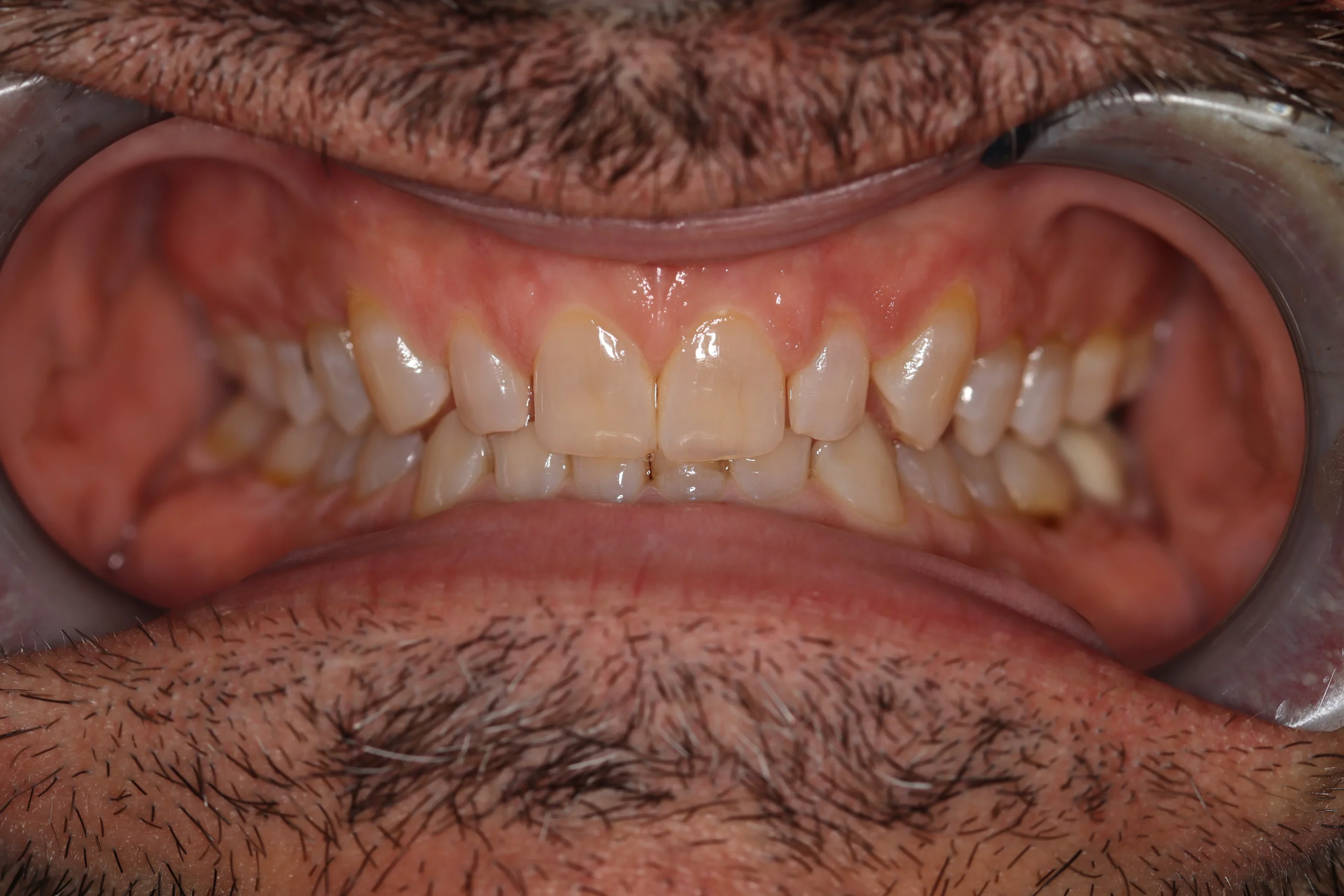
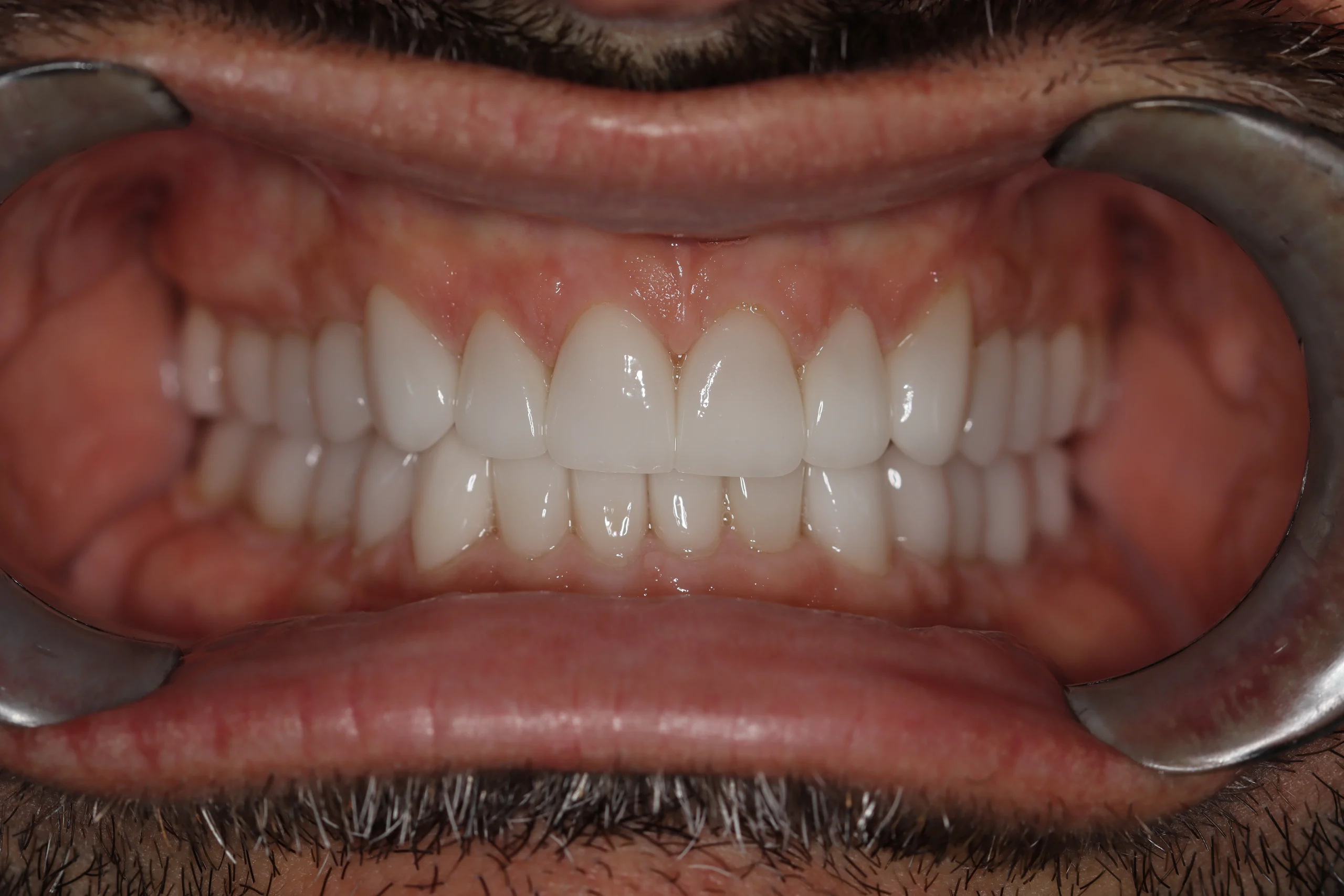
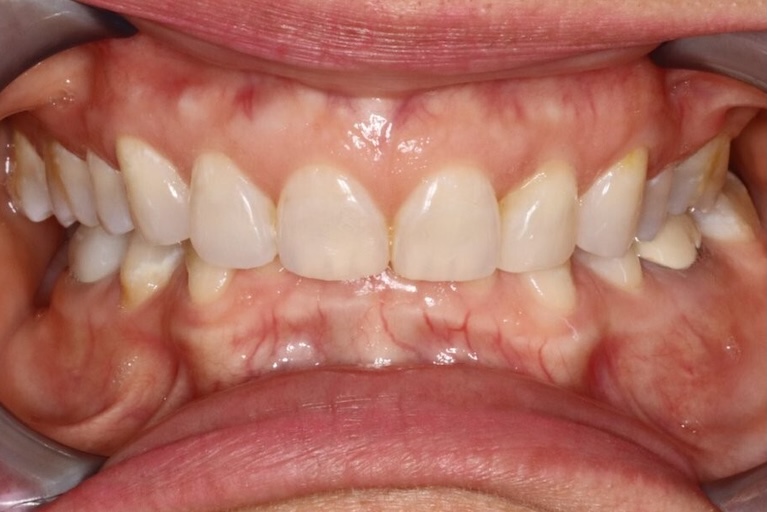
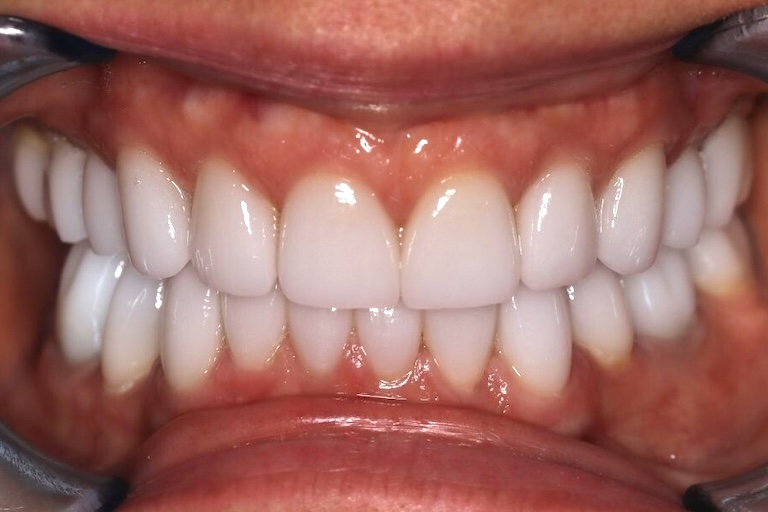
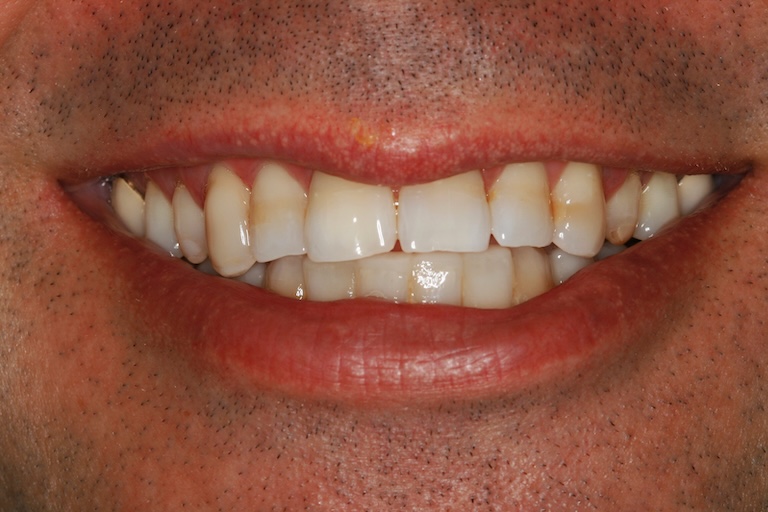
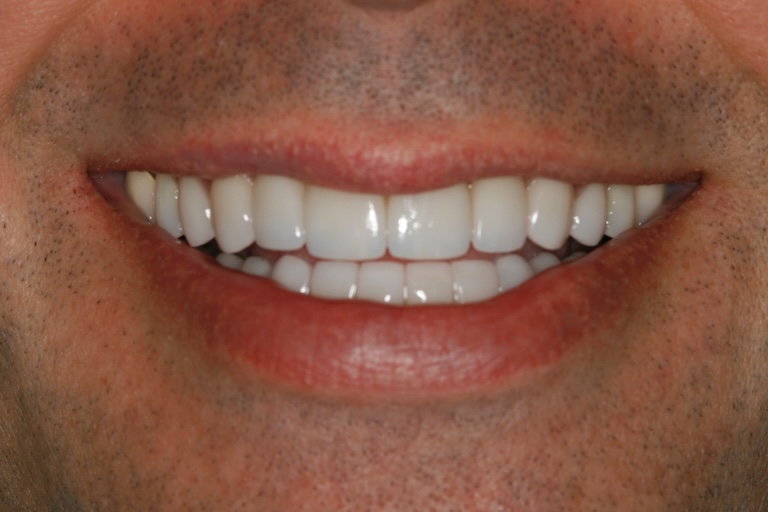
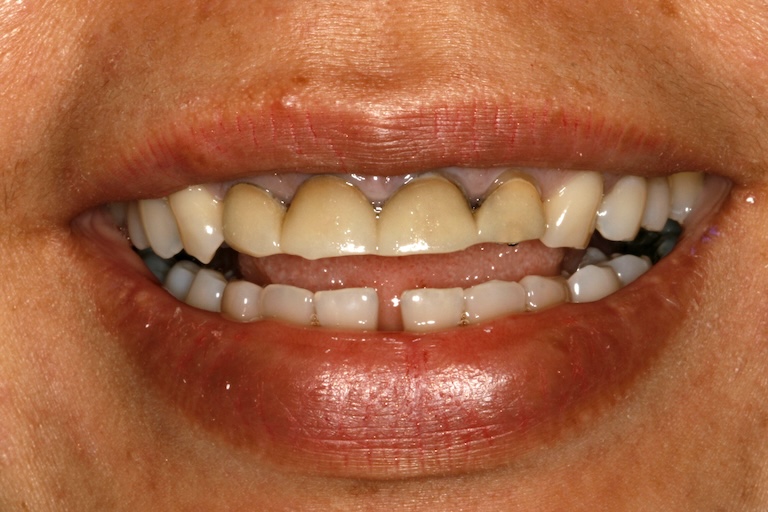
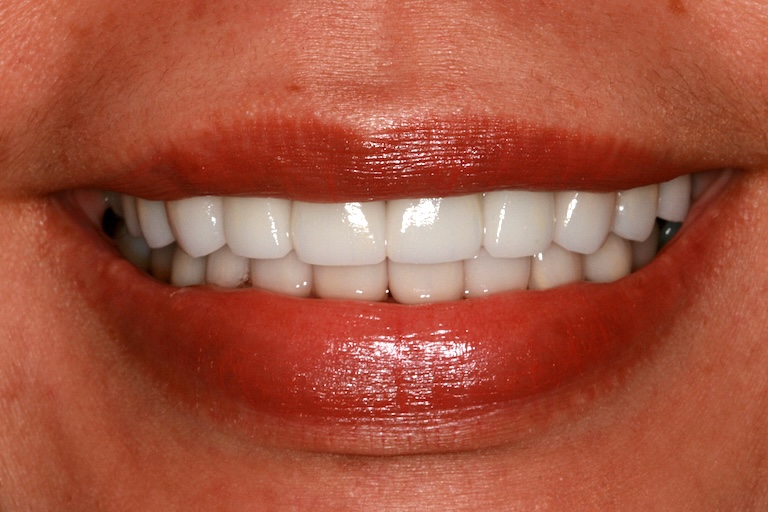

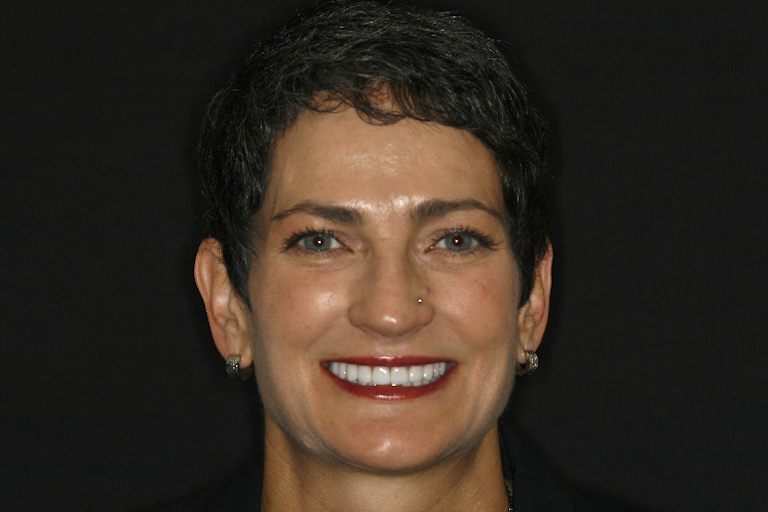


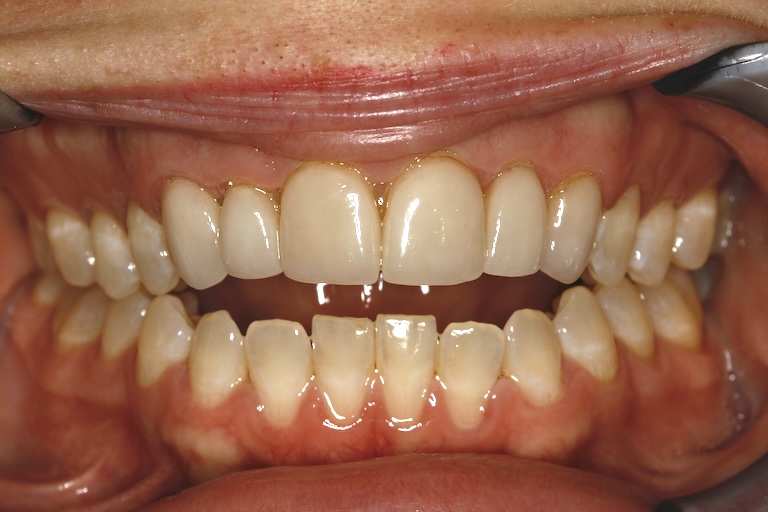
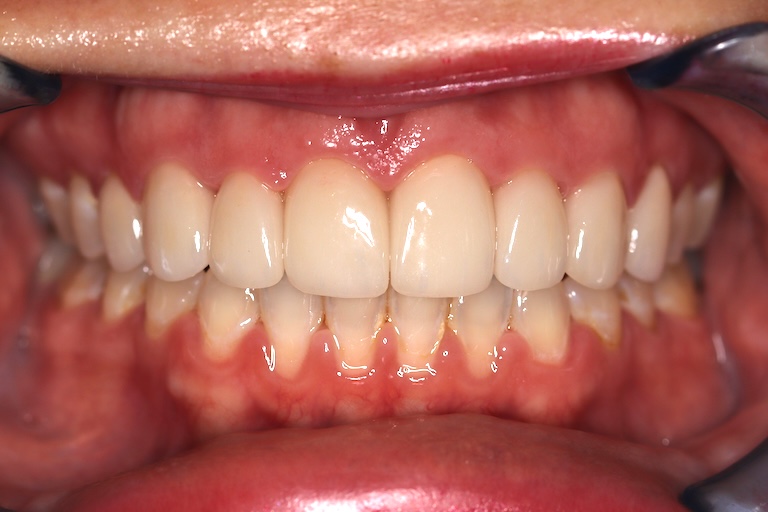
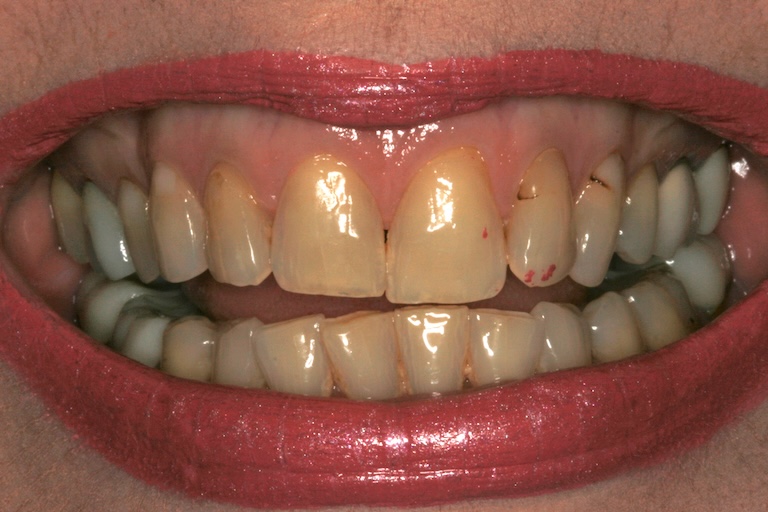
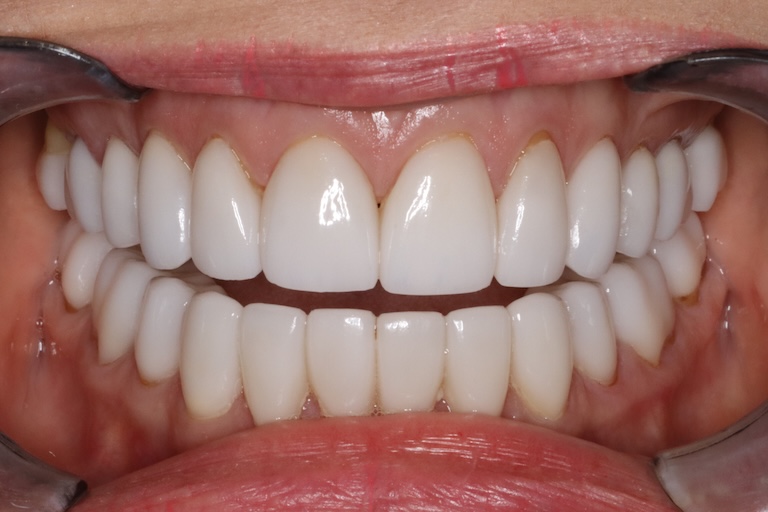
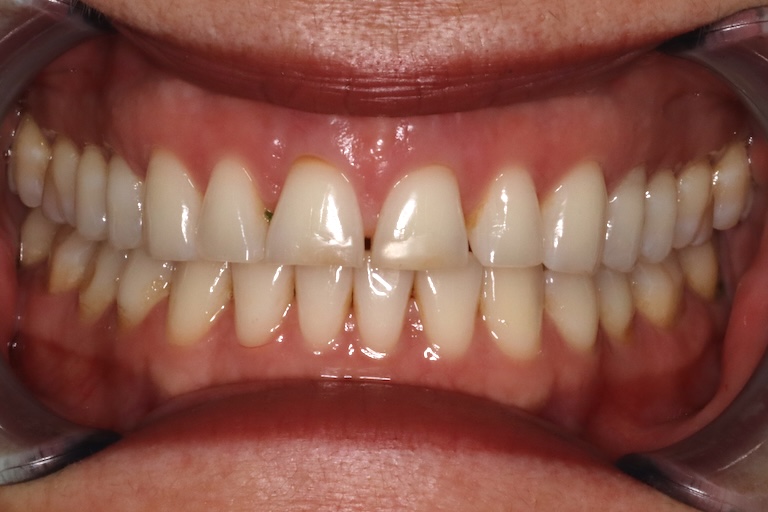
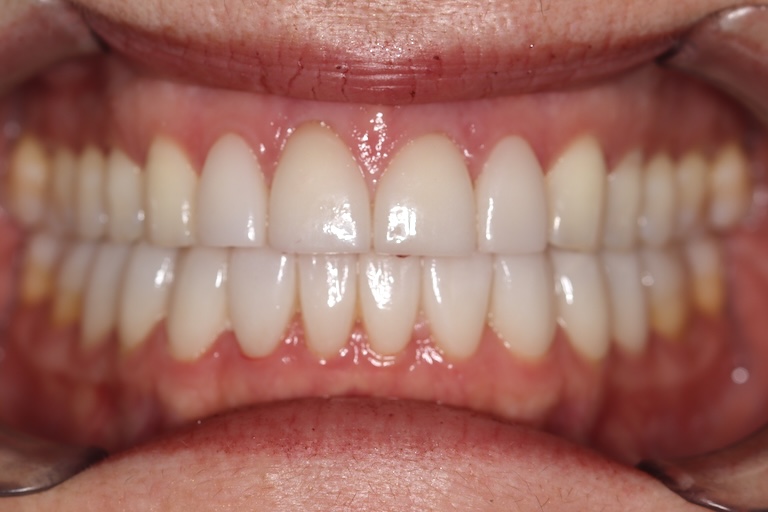
Sarah Received a Non-surgical TMJ Solution

What Relief Really Feels Like
For many patients, TMJ disorder doesn’t just mean occasional jaw discomfort.
TMD can create a constant and exhausting cycle of pain:
- Headaches that never fully go away
- Jaw tension that builds throughout the day
- Neck and shoulder stiffness that affects posture, sleep, and focus.
Over time, these symptoms can interfere with nearly every part of daily life.
Life-changing non-surgical TMJ treatment is about more than managing symptoms. It restores comfort, function, and clarity so you can feel like yourself again. Patients who complete TMJ therapy often describe a dramatic shift: less pain, fewer headaches, improved sleep, and the ability to live without constant awareness of their jaw.
In our Houston dental clinic, you can receive answers to your TMJ pain that go beyond temporary relief. That’s exactly what our comprehensive TMJ treatment plan is designed to provide.



Free From TMJ Disorder Pain
 Google
★★★★★
Google
★★★★★
I suffered with decades of pain from TMJ; my bite was never right. I had talked with various dental professionals who advised that only surgery would be able to make the adjustments necessary to relieve the pain. Dr. Konig consulted with me and explained that he believed he could help me. After working with him for 6 months now, I am a believer. The pain is gone. I no longer have to “chew carefully”, so I do not bite myself. Dr Konig’s plan has worked miraculously to relieve the pain and correct my bite. I would recommend him and his staff to anyone who suffers from similar TMJ pain. He has been efficient, professional, and very patient to explain each procedure and treatment he used to bring an end to my pain. The fact that my teeth now low so good is a welcomed bonus! My heartfelt thanks to Konig TMJ & Cosmetic Dentistry!!
Symptoms of TMJ
TMJ disorders present differently from patient to patient. Common symptoms include:
Many patients live with these symptoms for years without realizing their jaw alignment may be the underlying cause. If you have one or more of these symptoms, it would be a good idea to schedule an appointment with our dental team and see if you have TMJ disorder.
Treatment Options
Here at Konig TMJ & Cosmetic Dentistry, we focus on noninvasive TMJ therapies as often as possible. We believe TMJ treatment is most effective when it is conservative, customized, and focused on function. Nonsurgical bite correction focuses on guiding the jaw into a healthier, more stable position without invasive procedures.
Your treatment options in our Houston office may include:
By correcting overbites or underbites nonsurgically, pressure on the TMJ can be reduced, allowing muscles to relax and joints to function more efficiently over time.
Call our dental team today to get started on TMJ treatment and we will help you figure out what treatment option is right for you.
What Makes TMJ Treatment Life-Changing?
Not all TMJ therapies are the same. What sets this approach apart is its commitment to precision, customization, and long-term success.
How Sedation Helps with TMJ Therapy
Sedation dentistry can play an important role in TMJ therapy by helping patients remain comfortable and relaxed during treatment. Because TMJ disorders often involve jaw pain, muscle tension, and sensitivity, sedation can ease anxiety and reduce involuntary muscle tightening that may interfere with care.
Depending on the procedure, different sedation options may be used to help patients stay calm while Dr Konig performs diagnostic work, bite adjustments, or other TMJ treatments. We use sedation dentistry to help make TMJ therapy more efficient and a more positive experience overall.
A Whole-Body Approach to Healing
One of the defining features of advanced TMJ care is its focus on the entire neuromuscular system. The jaw does not function in isolation, it is connected to posture, airway health, muscle balance, and overall alignment.
By addressing the root cause of the dysfunction, TMJ therapy can positively impact:
This comprehensive approach aligns with a growing understanding that oral health plays a key role in whole-body wellness.
Advanced Care with a Personalized Touch
TMJ disorders can be complex, and no two cases are exactly alike. That’s why personalized care is essential. Every step of the process, from diagnosis to treatment, is guided by careful attention to detail and a deep understanding of how the jaw functions.
Each treatment plan is designed around your unique anatomy, symptoms, and goals. Rather than offering temporary relief, the focus is on creating lasting balance within the jaw and surrounding structures.
This includes:
Patients in Houston who choose this level of care are often looking for more than a quick fix, they’re looking for a true solution.
Why Choose Dr. Konig for TMJ Care?
Dr. Konig approaches TMJ treatment with a deep understanding of the relationship between bite alignment and whole-body health. His care emphasizes precision, compassion, and long-term outcomes.
Rather than offering one-size-fits-all solutions, Dr. Konig listens closely to each patient’s concerns and designs personalized treatment plans rooted in advanced diagnostics and functional dentistry principles. Patients appreciate the thoughtful, judgment-free environment and the focus on resolving complex issues with clarity and care.
Dr. Konig is experienced and educated in TMJ treatment, making him an expert and providing specialized care.
Facial asymmetry correction to correct TMJ Pain


Want to Know More? FAQs for TMJ Disorder
Understanding TMJ treatment can help you feel more confident about taking the next step. Here are answers to some of the most common questions our patients in Houston have:
Take the First Step Toward Lasting Jaw Relief
If you’re experiencing jaw pain, headaches, or bite discomfort, TMJ treatment may offer the clarity and relief you’ve been searching for. Dr. Konig takes a comprehensive, patient-centered approach to restoring balance and comfort. Schedule a TMJ consultation with our team today to begin your path toward lasting relief and improved quality of life.

Dr. Ronald Konig
Dr. Ronald Konig is committed to helping patients feel comfortable, confident, and well cared for through personalized, comprehensive dentistry. With advanced training in TMJ therapy, cosmetic dentistry, sleep dentistry, and restorative care, he looks beyond individual symptoms to understand how each patient’s bite, smile, and overall comfort work together. His thoughtful approach helps patients improve their oral health while feeling supported at every step of care.